

The core of long-shelf-life food lies in stable quality throughout the shelf life. Aluminum foil and metallized film look similar, yet differ significantly in structure, performance, and application. Many brands either use under-specified materials that fail to meet shelf-life targets, or overspend on over-specified ones. The key to material selection is matching the shelf-life goal with the production process.
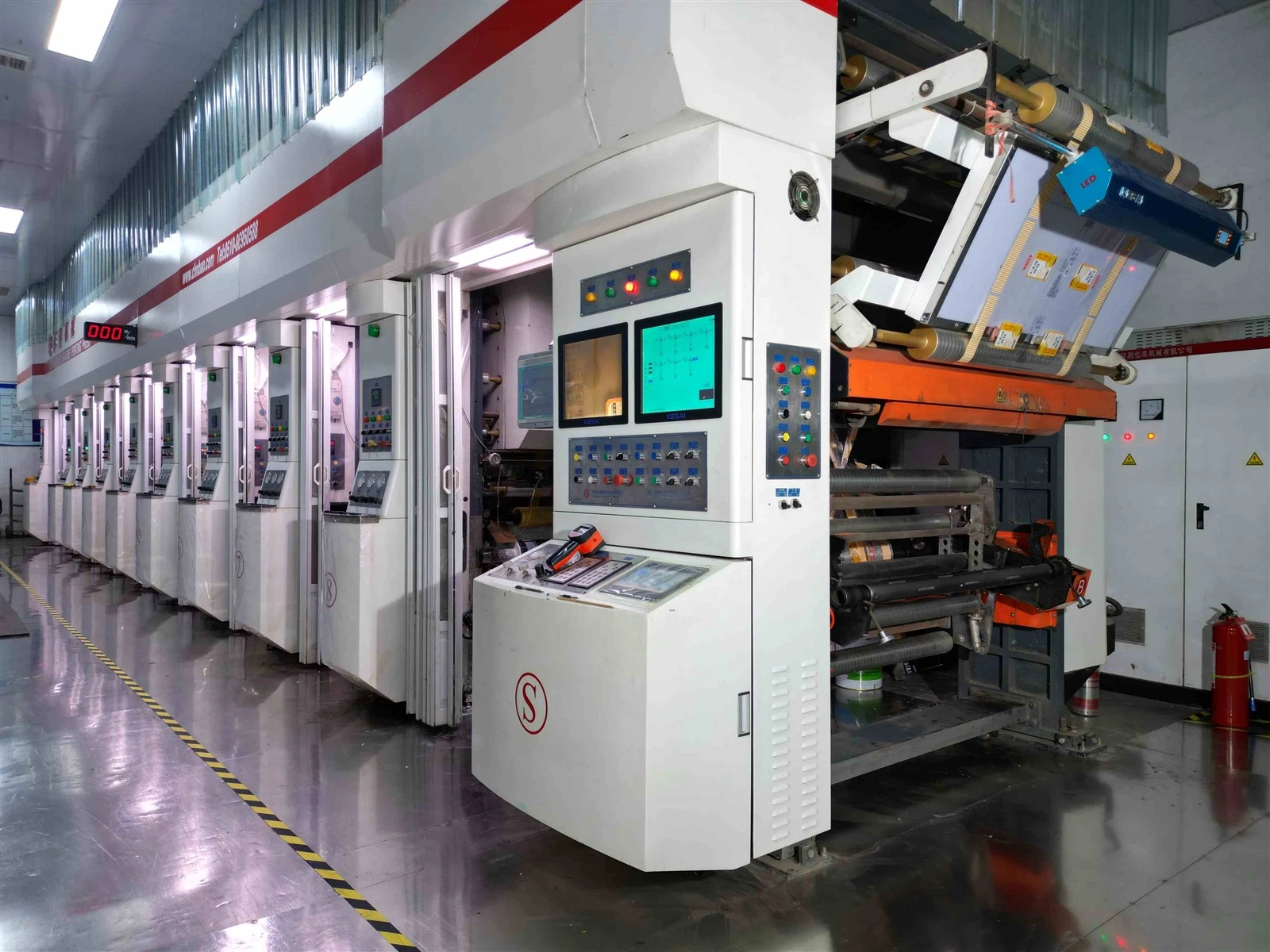
I. The Essential Difference: One Is a Pure Metal Layer, the Other Is Coated Plastic
• Aluminum foil is a pure metal layer: Made by rolling pure aluminum ingots, with a standard thickness of 7–40 microns. It functions as an independent layer within the laminate and is a complete metal material in its own right.
• Metallized film is aluminum-coated plastic: An extremely thin aluminum coating is applied to a plastic substrate such as PET or CPP through a vacuum deposition process. The aluminum layer is only nanometers thick, so the material remains essentially plastic film with a metallic coating.
• All performance differences between the two stem from this fundamental distinction.
II. Core Performance Comparison: Balancing Barrier Properties and Durability
Barrier Performance: Aluminum Foil Offers Near-Absolute Protection
• Aluminum foil provides true high barrier: Completely opaque to light, gas, and moisture, with a water vapor transmission rate close to zero, supporting a shelf life of over 12 months.
• Aluminum foil's weakness: Poor fold resistance-repeated bending easily creates pinholes, and once damaged, barrier performance drops sharply. Its puncture resistance is also limited, making it unsuitable for products with sharp edges.
• Metallized film offers moderate barrier: Far better than ordinary plastic film but well below pure aluminum foil; its core role is to block light and improve moisture and oxygen resistance, suiting a medium-to-long shelf life of 6–12 months.
• Metallized film is more rugged: Flexible and impact-resistant, it rarely develops pinholes during transport and handling, making it ideal for products with long, rough distribution routes.
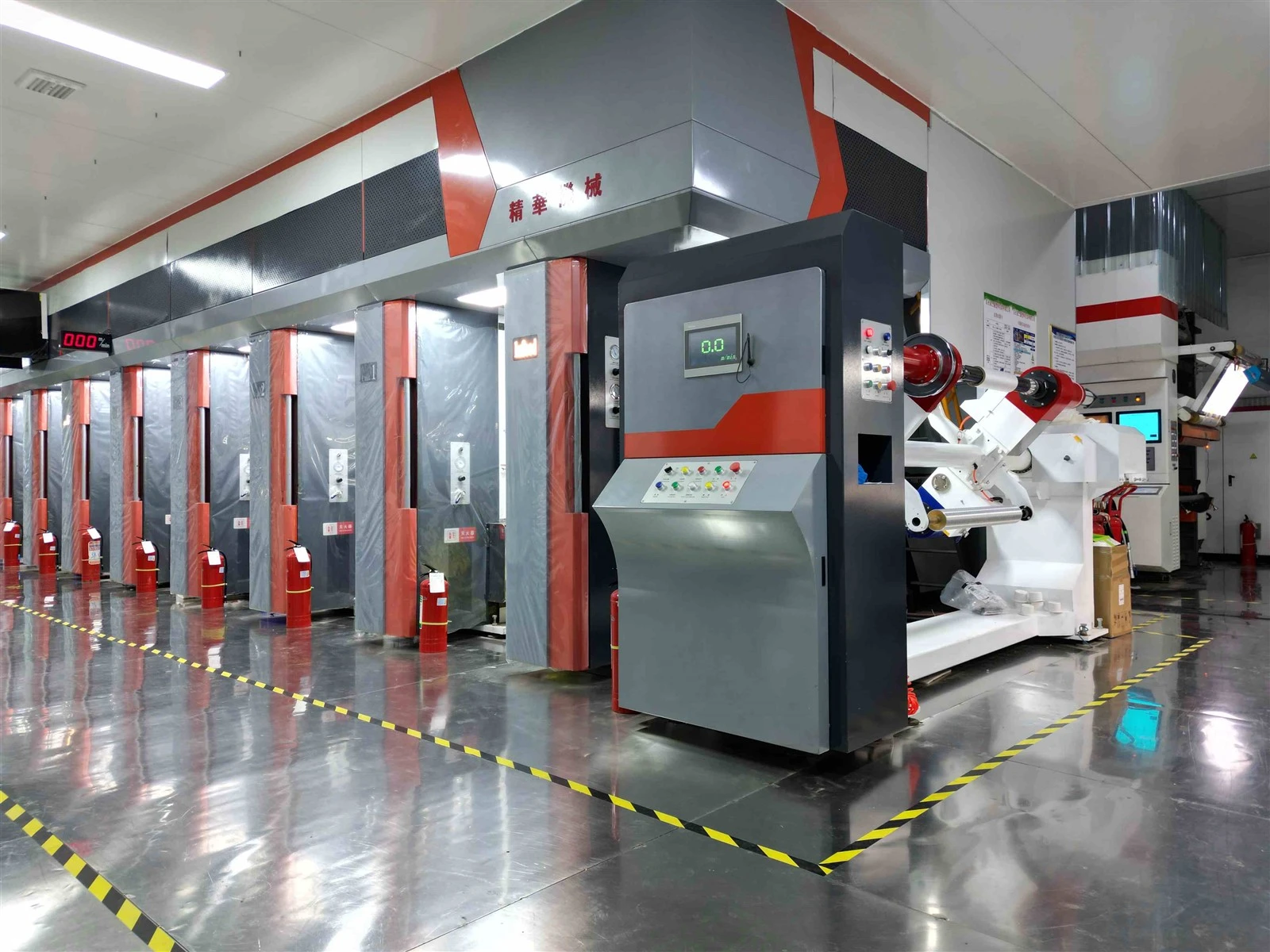
III. Temperature Resistance and Processing: Matching Different Production Processes
• Aluminum foil resists high temperatures: Withstands retort sterilization and counter-pressure sterilization above 121°C, making it the standard material for retorted meat products, soft cans, and braised cooked foods.
• Metallized film does not resist high temperatures: The aluminum layer tends to flake off at high temperatures, causing barrier performance to drop rapidly. It is generally not used for retort processes and is mainly suited to dry foods stored at room temperature.
• Metallized film prints better: Its surface is flatter, with higher color fidelity.
• Aluminum foil costs more to print: It requires a primer coating, and color saturation is slightly lower.
IV. Material Selection by Category: The Best Choice Meets the Actual Need
Scenarios Where Aluminum Foil Laminates Are Preferred
• High-temperature sterilized foods with a shelf life over 12 months: retorted meat products, soft cans, braised cooked foods, and pet food.
• High-fat and high-oil foods with extremely high oxygen-barrier requirements: prevents oxidative rancidity and off-flavors.
• Products requiring retort or counter-pressure sterilization processes.
• Key rule: For products intended for microwave heating, packaging containing aluminum foil should not be heated directly, as this poses a sparking hazard. Metallized film or other non-metallic barrier materials must be used instead.
V. Scenarios Where Metallized Film Is Preferred
• Dry foods stored at room temperature with a shelf life of 6–12 months: nuts, biscuits, puffed snacks, and powdered instant beverages.
• Products that need light blocking but not absolute barrier protection.
• High-volume, cost-sensitive mass-market consumer goods, where metallized film offers clear value for money.
• Products with many distribution steps and rough transport conditions that demand greater film flexibility.
VI. Common Selection Mistakes
• Mistake 1: Assuming thicker aluminum is always better.
• If aluminum foil is too thin, pinholes are likely; if too thick, costs rise and fold resistance worsens. The right thickness is what matters.
• The same logic applies to metallized film: it is not about maximum coating thickness, but the match between coating weight per unit area and its uniformity. Too thin, and the barrier is insufficient; too thick, and costs rise while the coating becomes prone to cracking and flaking. Poor uniformity causes wide performance variations between batches.
• Mistake 2: Confusing the two materials.
• Their prices and performance can differ by several times over. Passing off metallized film as aluminum foil will sharply shorten the product's shelf life, while using pure aluminum foil for a short-shelf-life product is simply a waste of cost.
For long shelf life, high-temperature processing, and maximum barrier requirements, choose aluminum foil. For a medium-to-long shelf life, room-temperature storage, and cost sensitivity, choose metallized film. For food brands, selecting the right material precisely according to the product's shelf-life target, production process, and distribution scenario is the only way to safeguard quality while optimizing packaging cost.